Skip Hire in Lewisham
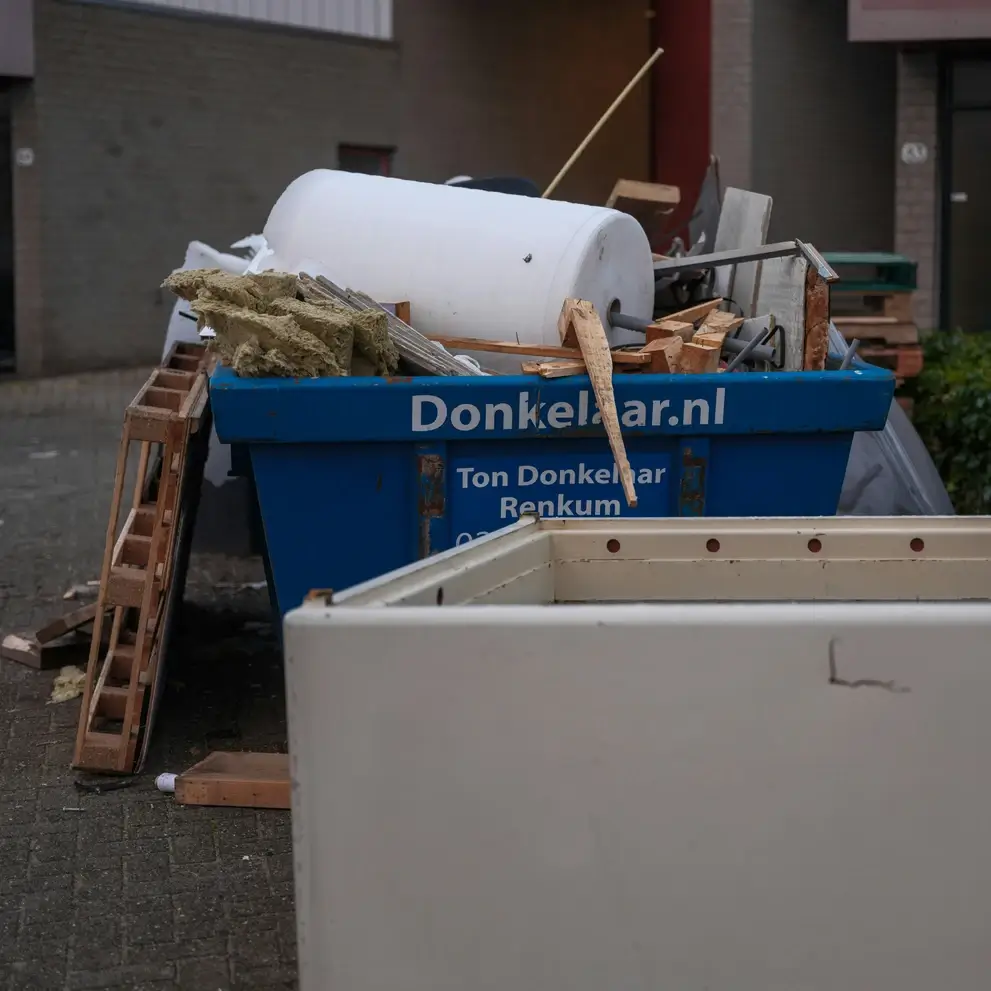
Need skip hire in Lewisham for a home clear-out, building project or ongoing site work? Our service is set up to help customers move waste away in a straightforward way, with skip options suited to different loads and access needs. Whether the task is a one-off tidy-up or part of a planned programme of works, the aim is to provide a practical container solution that keeps waste controlled and ready for removal.
We support a wide range of waste types commonly produced by domestic and trade jobs, including mixed renovation waste, rubble, timber, packaging and general rubbish. Choosing the right skip size matters because it affects both convenience and value for money, so we guide customers toward a size that fits the job rather than over-ordering or underestimating the load. If you already know what you need, you can go straight to the next step; if not, the options below explain the main choices.
If you are planning a clearance or refurbishment, start by comparing the skip types and then request a quote when you are ready.
Domestic and household waste solutions
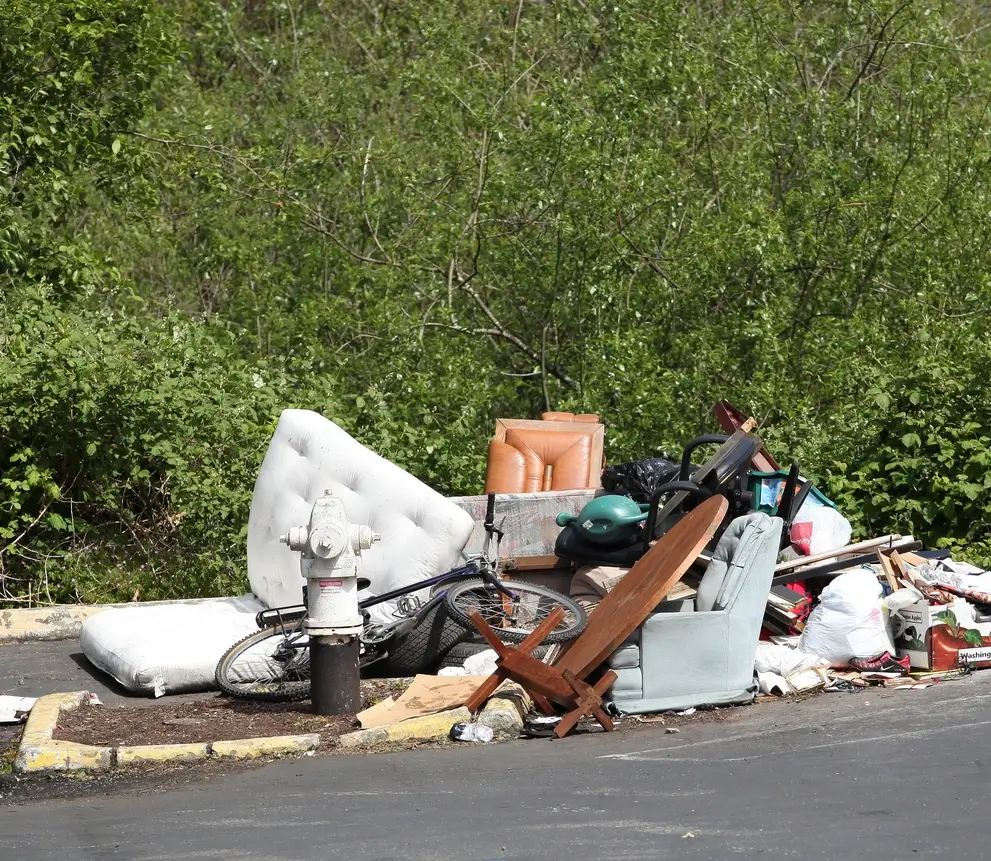
Home projects can create a surprising amount of waste, especially when you are dealing with old furniture, broken fittings, bagged rubbish, garden materials and clutter from a loft, garage or spare room. Our domestic skip hire service is designed to give households a clear way to deal with that waste without letting it build up around the property. It suits spring cleans, pre-move clearances and smaller renovation jobs where a single container is often the most convenient choice.
The benefit of using a skip for domestic work is that the waste stays in one place, which helps keep paths, driveways and work areas clearer while the project is under way. That can make sorting, loading and organising the job much easier, particularly when several people are involved or the work stretches over more than one day. For mixed home waste, it is usually best to separate anything reusable or prohibited before loading begins.
For a more focused overview of household options, see our domestic skip hire page, which sits alongside services for larger or more specialist domestic clearances.
Trade waste, building work and heavier materials
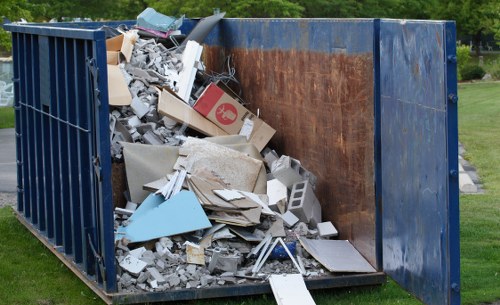
Trade customers often need a simple waste route that fits the pace of the job. Our skip hire can support builders, decorators, roofers and general contractors who need to keep rubble, broken materials and packaging moving off site in a steady flow. It is particularly useful on projects that produce repeated waste across several days, because the container provides a fixed point for disposal instead of relying on repeated tip runs.
Different jobs create different waste profiles, so the most suitable arrangement depends on the materials involved. Clean hardcore, soil, mixed builders' waste and lighter general debris each place different demands on capacity and loading. For that reason, customers usually benefit from thinking about weight as well as volume. A skip that looks large enough may still be the wrong fit if the contents are especially dense, while a lighter load may not need the same capacity.
If you want a service aimed specifically at renovation debris, our builders skip hire page is a useful place to compare the approach with broader construction waste disposal support.
Clearance jobs and site waste management
Some projects are less about a single pile of waste and more about bringing order to a space that has become full over time. That might involve clearing a property, emptying out a commercial unit, or dealing with a site that has accumulated mixed refuse after work has been completed. In those cases, skip hire can sit alongside clearance work as part of a fuller waste plan, especially when items are bulky, awkward or not suited to box-by-box handling.
Site clearances are often easier to manage when the waste route is agreed before the job begins. Access, loading sequence and the type of material all affect the most practical arrangement. Good planning reduces disruption because the team can work with a clear disposal method instead of pausing to reorganise waste as the site changes. If a project includes demolition debris, heavy offcuts or mixed spoil, a skip can help keep the site tidier and the workflow more consistent.
You can read more about larger clear-up work on our site clearance page, or compare it with our demolition waste removal service when the job involves broken materials and debris from structural work.
Garden, garage and loft waste
Waste from outdoor and storage spaces can be awkward because it tends to be bulky, varied and sometimes damp or soil-heavy. Our service can support garden renovations, hedge and branch clearance, old shed contents, broken outdoor furniture and the sort of household accumulation that often builds up in garages and lofts. These jobs usually involve a mixture of light and heavier items, so sorting before loading can help keep the skip usable and safe.
For garden jobs, materials such as soil, turf, branches and cuttings may all need a different loading approach from general household waste. In a garage or loft, the contents may include boxes, broken storage items, small appliances or renovation leftovers. It is often sensible to remove anything valuable or reusable first, then group the waste into manageable sections. That makes the most of the available space and keeps the loading process orderly.
Where the work is focused on outdoor waste, our garden waste removal page explains the sort of material that can be handled, while garage and loft clearance is useful for more enclosed domestic spaces.
Skip sizes, access and the right setup

Choosing the correct skip setup is not only about how much waste you have. Access at the property, placement space and the way the waste will be loaded all affect the best option. A narrow drive, shared access or limited roadside room may make one arrangement easier than another, while a straightforward driveway with good clearance can allow for a wider choice. The aim is to match the container to the site as well as the job.
We also recognise that some customers need a better balance between capacity and handling. A bigger skip can take more waste, but it is not always the most efficient choice if the material is light or the access is tight. Likewise, smaller containers can be ideal for short jobs or targeted clearances. Thinking about the waste type, the likely weight and how long the skip will stay on site can help to avoid delays or unnecessary changes.
To compare the available container options, visit skip sizes and prices or look at our same day skip hire page if speed is a key part of the plan.
Permits, access and placing a skip correctly
When a skip is placed on private land, such as a driveway or forecourt, the arrangement is often straightforward. When the container needs to go on the road or other public highway, a permit may be required and the timing needs a little more care. The right setup depends on local access, available space and where the skip will sit during the hire period. These details should be considered before the booking is confirmed so the container can be placed as safely and sensibly as possible.
For some properties, a wait and load arrangement may be more appropriate than leaving a skip in place. This can suit customers with limited space, restricted parking or short loading windows. It is also worth thinking about the route from the waste source to the skip: the fewer obstructions along the path, the easier the job usually becomes. Where the load includes items that need careful handling, a more controlled setup can also reduce the risk of damage.
Our skip permits page gives a useful overview of the permission side, and wait and load skip hire explains a practical alternative when leaving a container on site is not ideal.
What can go in a skip and what needs separate handling
Many customers want to know which materials are suitable before they book. In general, a skip is useful for mixed waste from clearances, repairs and refurbishments, but there are limits to what can be loaded safely and lawfully. Heavier materials, sharp offcuts, soil, timber, furniture and bagged rubbish are commonly accepted categories, while certain items need separate disposal because they present safety, environmental or legal issues.
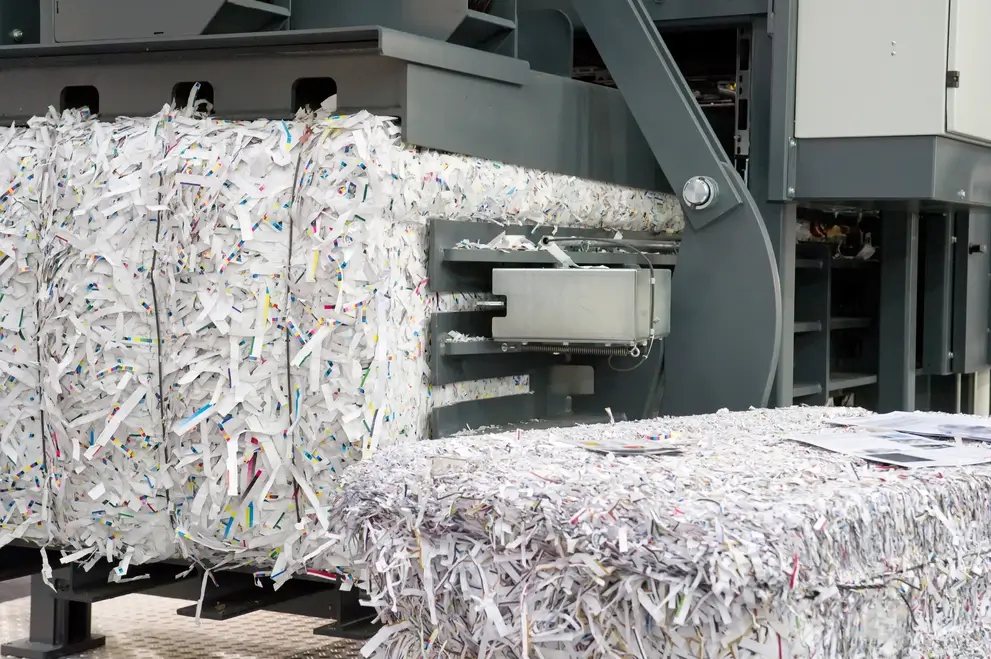
It is worth checking the contents early, especially if the skip will be filled over several days. Sorting out restricted items before loading starts helps avoid confusion later and makes it easier to keep the waste stream compliant. Where a project includes materials such as appliances, confidential paper, or items that may fall into specialist waste categories, it is better to plan for those separately rather than trying to fit them into a general mixed load.
For a clear guide, read what can go in a skip. If your project includes specialist items, our fridge and appliance removal and confidential shredding pages may also be relevant.
About Lewisham
Lewisham is a district in south-east London with a long history of change shaped by river crossings, transport links and gradual urban development. The River Ravensbourne runs through the area, and the borough contains a mixture of dense town-centre streets, residential neighbourhoods and green spaces. Lewisham itself grew significantly during the nineteenth century as London expanded, helped by railway connections that made travel into central London faster and more regular. The area later became part of the wider London Borough of Lewisham, created in 1965, which brought together communities with different local identities and development patterns. Today, the town centre is known for its busy shopping streets, transport interchange and civic presence, while surrounding neighbourhoods retain a more residential character. Hilly streets, post-war rebuilding and Victorian terraces sit alongside newer apartment schemes, creating a varied urban landscape. Hilly Fields, one of the better-known open spaces nearby, gives the district an important green edge, and the River Ravensbourne adds a natural thread through the built environment. Lewisham also has a cultural life shaped by local markets, libraries, schools and community venues, with everyday movement concentrated around the station and commercial core. The district’s architecture is mixed rather than uniform, and that variety is part of its character: older terraces, mid-century estates and contemporary infill developments all appear within a relatively compact area. As a result, Lewisham reads as a place where transport, housing and public space overlap closely, giving it the feel of a busy inner-London centre with strong neighbourhood identity.
For customers who have already compared the main service options, the next step is simple: choose the most suitable setup and request a quotation. If you need to check the general service range first, the skip hire page gives a broader overview, while commercial skip hire is helpful for business projects with ongoing waste.
Commercial waste, recycling and the booking process
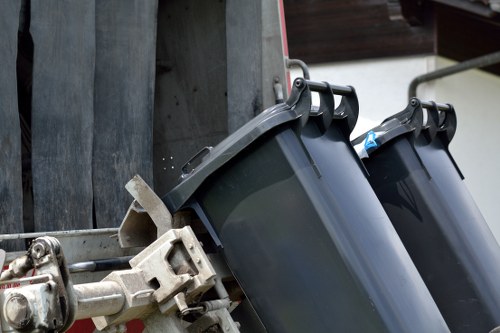
Business customers often need a reliable waste plan that fits premises, compliance requirements and project timing. Our skip hire options can support offices, shops, landlords, contractors and other organisations that generate regular mixed waste or periodic heavy loads. Depending on the site, that may include packaging, fixture waste, refit debris, archived material prepared for disposal or general non-hazardous rubbish from day-to-day operations. The right choice depends on both volume and the kind of waste being removed.
Recycling is a key consideration for many commercial jobs. Separating material sensibly can improve the efficiency of the load and reduce unnecessary contamination. Where possible, it helps to keep recyclable items distinct from general waste before they are placed in the container. This is especially relevant on projects that produce cardboard, timber, metal, plasterboard or rubble alongside mixed rubbish. If your business needs a disposal plan for a repeat or staged job, it is worth thinking about the likely waste stream early.
To compare business-focused options, see commercial skip hire, and for broader recycling support take a look at recycling and sustainability.
Managing waste from refurbishment and specialist projects
Some jobs involve waste that is heavier, dustier or more awkward than standard household rubbish. Refurbishments, strip-outs and small-scale construction work can generate broken fittings, old fixtures, plasterboard, tiles and other mixed debris that need a sensible disposal route. In these cases, skip hire is often part of a wider plan that keeps the project moving and prevents waste from spreading across the work area.
There are also more specialised waste streams that deserve separate thought. Hazardous items, for example, cannot simply be treated as ordinary mixed waste, and some site jobs may need grab hire or muck-away support rather than a standard container approach. The right service depends on the material, the weight, the access and how quickly the waste needs to leave the site. Choosing carefully at the start reduces the chance of disruption later on.
If your project is more specialised, our hazardous waste disposal page is the place to start for restricted materials, while grab hire services and muck away services are useful for heavier site waste.
Requesting a quotation and planning the hire
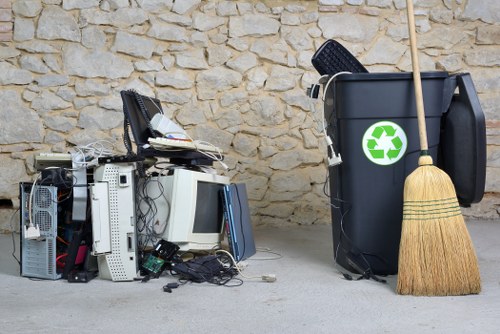
When you are ready to move forward, a clear quotation request normally starts with the basics: what type of waste you have, how much there is, where the container needs to go and whether the job is domestic, trade or commercial. If the waste is spread across several rooms or stages, it helps to outline that as well so the most suitable arrangement can be recommended. Simple details often make it easier to avoid unnecessary back-and-forth and get the setup right first time.
For more complex jobs, a short note about access can be useful too. Narrow driveways, shared courtyards, roadside placement or time-limited loading can all affect the best solution. If you are comparing options across related services, the practical route is to decide whether you need a skip left on site, a wait-and-load arrangement or a specialist clearance. Clear information at the outset makes the quotation process more efficient and helps ensure the service matches the job you actually need.
When you are ready, pricing and quotes is the best place to begin, and you can also contact us if you would like to request a quotation directly.