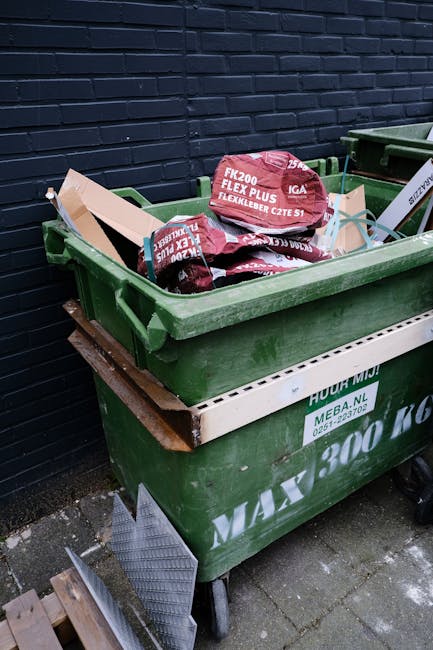
Avoid hidden fees with Lewisham rubbish collection services: a practical guide to clear pricing
If you have ever booked a clearance and then watched the final bill creep up with "extras", you already know why this matters. To avoid hidden fees with Lewisham rubbish collection services, you need more than a cheap headline price. You need a clear quote, a simple scope of work, and a company that explains what is included before anything is loaded. In Lewisham, where properties, access, parking, and waste types can vary wildly from street to street, that clarity is worth its weight in gold.
This guide walks you through how hidden charges happen, what a fair quote should include, and the practical steps you can take to protect your budget. It also helps you compare rubbish removal, skip hire, grab hire, and man-and-van services without getting lost in the small print. Let's face it, nobody enjoys reading invoices line by line at the end of a long day.
Key takeaway: The cheapest upfront price is not always the cheapest job. The best way to avoid hidden fees is to confirm the full scope, access needs, disposal method, and any permit or waiting-time costs before you book.
- Why avoiding hidden fees matters
- How the pricing process usually works
- Key benefits of transparent rubbish collection
- Who needs this and when it makes sense
- Step-by-step guidance
- Expert tips for better results
- Common mistakes to avoid
- Tools, resources and recommendations
- Law, compliance and best practice
- Options and comparison table
- Real-world example
- Practical checklist
- Conclusion
- Frequently asked questions
Why Avoid hidden fees with Lewisham rubbish collection services Matters
Hidden fees are frustrating anywhere, but in a busy area like Lewisham they can become a real headache because rubbish jobs are rarely identical. A terraced house with rear access, a flat above a shop, a builder's load left in a tight side passage, or a garden clearance after a wet weekend all create different labour, access, and disposal requirements. If the quote is vague, those variables often appear later as added charges.
It is not just about money, either. Surprise fees make it hard to compare providers fairly, and that usually pushes people into rushed decisions. You might think you are choosing the cheapest option, only to discover the final invoice includes extra labour, restricted access charges, congestion-related costs, or fees for waste that was not described properly. Ouch. Not ideal.
Transparent rubbish collection matters because it helps you budget confidently, especially if you are clearing a property before a move, fitting out a shop, finishing a renovation, or sorting out a one-off house clearance. You want the job done neatly, on time, and without that awkward moment when the driver says, "There's been a bit of a change."
In practical terms, clear pricing also makes customer service easier. A provider that explains what is included is usually more consistent on site as well. That does not guarantee perfection, of course, but it is a strong sign they understand how to work properly in real homes and real streets, not just on a website.
How Avoid hidden fees with Lewisham rubbish collection services Works
The simplest way to think about it is this: you are trying to match the quote to the actual job. Hidden fees usually appear when the provider priced the wrong job, or when the customer was not asked enough questions before booking. Clear services reduce that gap by setting out what the team will collect, how much space or volume it will take, what access is needed, and whether any special handling applies.
Most rubbish collection quotes are built from a few basic elements:
- Waste type: general household waste, garden waste, builders' rubble, bulky items, appliances, furniture, or mixed loads.
- Volume or weight: how much rubbish there is, or how full a skip or vehicle may be.
- Access conditions: stairs, narrow paths, long carries, parking limitations, or loading restrictions.
- Disposal route: whether the waste is being reused, recycled, or taken to a transfer station or disposal facility.
- Timing: same-day collection, weekend work, waiting time, or urgent booking requirements.
- Extras: permits, labour beyond the agreed scope, or specialist handling for certain materials.
That is the basic mechanism. The trick is to ask for the full picture up front. If a company gives you a number without asking what you actually need removed, that is a yellow flag. Not necessarily a disaster, but it is worth slowing down.
For larger or more structured jobs, it can help to look at a dedicated service page such as skip hire or rubbish removal so you can see how the work is usually packaged. If your job involves heavy waste, you may also want to compare grab hire services and man and van options, because the most cost-effective choice depends on what is being removed and how quickly.
One thing people sometimes miss: a quote can be technically "correct" and still feel misleading if it only covers part of the job. For example, a price might include collection but not loading assistance, or disposal but not a permit, or standard access but not a long carry from the road. Those distinctions matter. A lot.
Key Benefits and Practical Advantages
Once you know how to avoid extra charges, the benefits show up quickly. The obvious one is savings, but the wider advantages are just as useful in day-to-day life.
1. Better budgeting
Clear pricing means you can plan around the real cost, not the advertised one. That helps if you are already juggling moving costs, trades, or a renovation budget.
2. Faster decisions
When fees are transparent, comparing providers is much easier. You spend less time chasing clarification and more time getting the job sorted.
3. Less stress on collection day
No one likes arguing about extra charges while a van is parked outside and you have boxes stacked in the hall. Clear expectations make the day feel smoother from the start.
4. Better service quality
Providers that price properly usually ask better questions. That often means fewer surprises, fewer delays, and a tidier job overall.
5. More suitable disposal choices
Transparent companies are usually better at explaining which service fits your waste stream. That matters whether you are disposing of furniture, mixed household rubbish, or builder's rubble.
There is also a subtle but important benefit: confidence. When you know what is included, you can book without that nagging sense that something has been left out. Honestly, that feeling alone can be worth the effort.
Who This Is For and When It Makes Sense
This approach makes sense for almost anyone booking waste collection in Lewisham, but some people need it more than others.
Homeowners and tenants often need transparent pricing when clearing clutter, old furniture, garden waste, or leftover renovation material. If you are moving out, having the final bill jump unexpectedly is the last thing you want.
Landlords and letting agents benefit because they need predictable turnaround times and tidy end-of-tenancy or void property clearances. A vague quote makes it hard to recover costs or manage deadlines.
Builders and trades should be especially careful. Mixed waste, plasterboard, timber, tiles, and rubble can all affect pricing. If the load is not described accurately, the quote may shift later.
Small businesses and shops also need this, particularly when clearing stock rooms, refit waste, cardboard, packaging, or bulky items after a move. For that kind of work, a commercial service such as commercial skip hire or office clearance may be more practical than a one-off van collection.
People dealing with bulky items like mattresses, sofas, appliances, or fridges should ask about special handling. These items can look simple enough, then turn out to require separate disposal routes or manual carrying. If you want to avoid a grim little invoice surprise, ask before the item is loaded.
There are also times when this matters more than usual: during a move, after a tenancy changeover, during post-renovation clean-up, or when a garden has got away from you after a few wet weeks and one too many skipped weekends. It happens.
Step-by-Step Guidance
If you want a straightforward way to protect yourself, use this process before you book any Lewisham rubbish collection service.
- List everything you want removed. Be specific. "Two sofas, one mattress, five black bags, a broken table, and some wood offcuts" is better than "a bit of junk".
- Separate the waste into types. General rubbish, garden waste, construction waste, and appliances may be priced differently.
- Check access honestly. Note stairs, parking, narrow hallways, garden gates, or long carries. If the collection point is awkward, say so. It saves everyone hassle.
- Ask what the quote includes. Loading, labour, disposal, recycling, waiting time, and any permits should all be clear.
- Ask what could change the price. This is where hidden fees hide. A clear company will tell you what counts as an extra.
- Confirm the service level in writing. Even a short email or booking confirmation helps avoid misunderstandings.
- Check collection timing. Same-day and weekend jobs can cost more. That is fine if it is stated in advance.
- Keep a copy of the quote and job details. Simple, but surprisingly useful if questions come up later.
If your job is straightforward, you may be able to book directly through book online. If you want to compare costs first, the page for pricing and quotes is a sensible place to start. And if you are clearing a lot of household items, a service like house clearance or garage and loft clearance may be more cost-effective than piecing the job together yourself.
One little rule of thumb: if the provider cannot explain the price in plain English, keep asking. You should not need a decoder ring to understand a rubbish collection quote.
Expert Tips for Better Results
After dealing with plenty of clearance jobs, a few habits stand out as genuinely useful. Not fancy. Just practical.
Be precise about volume. A half-load and a full load are not the same thing, even if they look similar in a driveway at 8 a.m. If possible, send photos from several angles so the company can estimate more accurately.
Mention awkward items early. Fridges, mattresses, paint tins, office electronics, and anything potentially hazardous should be identified before the job is booked. That avoids awkward conversations at the kerb.
Ask about recycling and sorting. A provider that separates recyclable material properly may offer better value than one that just treats everything as mixed waste. It can also help if you care about sustainability, which more and more households and businesses do.
Think about access like a contractor would. Is there room for a vehicle to stop? Is the collection point at the back of the property? Will the team need to move things through a narrow staircase? These details affect labour time.
Use the right service for the job. A skip is not always best. A wait-and-load option may suit tight streets. A grab lorry can be brilliant for heavy, loose waste. A van collection may suit mixed household items. Matching the method to the job is where real savings often appear.
Don't be shy about asking what happens if the load is smaller than expected. Some providers are fair about scaling the price. Others are not. Better to know before they arrive.
And yes, take the photos. Everyone says they will, fewer people actually do, and then the estimate turns into guesswork. Classic.
Common Mistakes to Avoid
Hidden fees usually appear after one of a handful of avoidable mistakes. If you steer clear of these, you are already ahead.
- Choosing only on headline price. The lowest number on the page may exclude loading, disposal, or access costs.
- Under-describing the waste. "A few bits" is not enough if you want an accurate quote.
- Ignoring access issues. Narrow streets, no parking, or long carries can change the job considerably.
- Forgetting about special waste. Items like fridges, hazardous materials, or certain construction waste can need separate handling.
- Not asking about permits. If a skip or container needs a permit, that can affect price and timing.
- Assuming recycling is always included. Ask how material is handled and whether the service charges differently for mixed waste.
- Booking in a rush. Same-day convenience is useful, but it is easier to miss the small print when you are in a hurry.
The real trap is that most of these mistakes feel harmless in the moment. They only look expensive later. That is why a clear pre-booking conversation matters so much.
Tools, Resources and Recommendations
You do not need complicated software or a long checklist to get this right, but a few simple tools help.
Photos and short videos: Send these when asking for a quote. A few clear images can often replace a lot of back-and-forth.
Room-by-room notes: Handy for house clearances or loft clear-outs. Jot down what is in the loft, shed, spare room, or garage before you call.
Waste type list: Keep a plain list of item categories. Household, garden, builder's, appliances, confidential paper, or mixed rubbish. It sounds basic because it is, and that is exactly why it works.
Service pages for comparison: If you are unsure which route to take, compare options such as domestic skip hire, builders waste removal, garden waste removal, or site clearance. Those pages can help you understand how different jobs are usually priced and handled.
Policy and service information: If you want to understand how the business operates, pages such as about us, payment and security, and terms and conditions are worth checking. A clear provider should not hide the basics.
Practical waste-specific options: For appliances, the page for fridge and appliance removal is more suitable than generic rubbish removal. For furniture, mattress and sofa disposal may save time. For sensitive paperwork, confidential shredding is the safer route.
In short, the best resource is not a magic calculator. It is a provider that asks good questions and gives you answers that make sense. Simple, but rare enough to be worth noting.
Law, Compliance, Standards, or Best Practice
When rubbish is collected in the UK, the details matter. While you do not need to become an expert in waste regulations to book a service, it helps to know the broad expectations. Responsible waste carriers should handle material safely, dispose of it properly, and be clear about what they will and will not take.
For customers, the best practice is to describe waste accurately and avoid putting restricted items into general loads. That includes anything potentially hazardous, items that need special handling, or material that has not been declared. If a provider asks questions about the waste stream, that is usually a good sign rather than an inconvenience.
If you are arranging work on a road or in a location with limited parking, permits may be part of the process for skips or longer stops. The exact requirement depends on the service and location, so you should check before committing. Some customers only discover this after the booking is made, which is exactly the kind of surprise this article is here to prevent.
There are also practical safety expectations. Loads should be secured properly, access routes should be considered, and heavy items should be handled with care. If you are dealing with sharp, dusty, or awkward waste, ask the provider how they manage health and safety on site. A service that takes this seriously is usually easier to work with overall. You can also review the company's health and safety policy and insurance and safety information where available.
Best practice, in plain English, is simple: clear description, clear quote, clear disposal route. That is the baseline that protects both sides.
Options, Methods, or Comparison Table
Different rubbish collection methods suit different jobs. If you are trying to avoid hidden charges, choosing the right method at the start can make a big difference.
| Method | Best for | Strengths | Watch-outs |
|---|---|---|---|
| Rubbish removal / man and van | Mixed household waste, bulky items, quick clearances | Fast, flexible, often good for awkward access | Price can change if access or volume is misdescribed |
| Skip hire | Projects with ongoing waste, renovations, garden jobs | Good for staged loading and larger volumes | Permit and placement issues may add cost |
| Grab hire | Heavy, loose waste, soil, rubble, builders' material | Efficient for large or heavy loads | Needs practical access and a suitable loading area |
| Wait-and-load | Tight streets or no space for a skip | Useful where parking is difficult | Can be more time-sensitive than a skip |
| Specialist disposal | Appliances, furniture, confidential items, hazardous waste | Safer handling and better compliance | May cost more due to treatment requirements |
If you are unsure, compare your needs against the job rather than the price tag alone. For example, if you only have a one-off mixed load from a flat clearance, rubbish removal or man and van may be better value than a skip. If you are dealing with a larger renovation over several days, skip hire or builders skip hire may suit you more. Simple, but not always obvious.
Case Study or Real-World Example
Imagine a Lewisham homeowner clearing a spare room before a tenancy inspection. At first glance, the job looks small: a broken wardrobe, an old mattress, several bags of clothes, and a bedside table. The homeowner asks for a quick quote over the phone and says it is "just a few bits".
On arrival, the team discovers the wardrobe has been dismantled but not bagged, the mattress is awkward to carry down two flights of stairs, and there is no nearby parking because of local restrictions. Suddenly the price starts edging up. Not because anyone is being difficult, but because the job was described too loosely from the start.
Now compare that with a clearer approach. The homeowner sends photos, explains the floor level, mentions the stairwell, and confirms there is no on-site parking. The provider can then price the job properly, suggest a suitable collection method, and explain any access-related cost before the visit. The final bill is far less likely to surprise anyone.
In another real-world-style example, a small cafe in Lewisham needs to clear packaging, broken furniture, and back-room stock after a refit. A commercial option such as office clearance or commercial skip hire may be more predictable than ad hoc collections. The owner cares less about the cheapest headline figure and more about avoiding extra visits, wasted time, and a messy shopfront during trading hours.
The pattern is the same in both cases: better information up front equals fewer surprises later. It really is that simple, even if the process can feel annoying at the start.
Practical Checklist
Use this checklist before you confirm any rubbish collection booking in Lewisham:
- Have I described all items clearly and honestly?
- Have I separated household, garden, construction, and specialist waste?
- Have I told the provider about stairs, parking issues, or a long carry?
- Does the quote explain loading, disposal, labour, and recycling?
- Have I asked what is not included?
- Have I checked whether a permit or special access arrangement might be needed?
- Do I know whether bulky items, appliances, or mattresses cost extra?
- Is the booking confirmation written down somewhere I can find it later?
- Have I compared more than one service type if the job is large or awkward?
- Do I understand when payment is taken and what happens if the load changes?
If you can tick most of those off, you are already in a much better position than the average rushed booking. And that is worth something.
Get a free quote today and see how much you can save.
Conclusion
To avoid hidden fees with Lewisham rubbish collection services, the winning formula is clear: describe the waste properly, understand the access, check what is included, and compare the right type of service for the job. That does not take long, but it can save a lot of money and a fair bit of stress.
The best providers make the process feel straightforward. They ask sensible questions, explain any extra costs before they happen, and help you choose the right collection method for your property and waste type. That is what good service looks like, really.
So before you book, slow down just enough to get the details right. A few careful questions now can save you from a messy invoice later, and that is a pretty good trade.
In the end, peace of mind is part of the service too. When the price is clear, the whole job feels lighter.
Frequently Asked Questions
What are hidden fees in rubbish collection?
Hidden fees are extra charges that were not clearly explained before booking. They can include labour, access difficulties, waiting time, permits, special waste handling, or disposal costs that were left out of the original quote.
How do I avoid surprise charges on collection day?
Give a full description of the waste, explain access issues, ask exactly what the price includes, and get the key details in writing. Photos are very useful too, especially for bulky or mixed loads.
Is the cheapest quote always the best option?
Not usually. A low headline price can be misleading if it excludes loading, disposal, or access-related costs. The best quote is the one that explains the full job clearly.
Do I need to mention stairs or parking restrictions?
Yes. Stairs, long carries, restricted parking, and tight access can all affect the amount of labour required. If the provider knows in advance, they can quote more accurately and avoid last-minute add-ons.
Are mattresses, fridges, and sofas priced differently?
They often can be. Some bulky or specialist items need different handling or disposal routes. Always ask before booking rather than assuming they are included in a general load.
What is the difference between skip hire and rubbish removal?
Skip hire leaves a container on site for you to fill, while rubbish removal usually means a team loads the waste for you and takes it away. The right option depends on space, timing, and how much help you want with loading.
Can a permit add to the final price?
Yes, if the job requires a permit or similar arrangement, it can affect the total cost. This is one of the more common reasons a quote changes, so it is worth checking early.
How can I compare rubbish collection quotes fairly?
Compare like for like. Check what each quote includes, what waste types are covered, whether loading is included, and whether any access or permit costs may apply. A fair comparison is about the full scope, not just the headline price.
What if I am not sure how much waste I have?
Take photos from several angles and give the provider a rough description of the items. If possible, mention dimensions for larger pieces. A good company can usually estimate more accurately from that than from guesswork over the phone.
Is same-day rubbish collection more likely to have extra fees?
It can be. Urgent or out-of-hours work sometimes costs more because it needs faster scheduling or limited-time resources. If you need speed, ask for the price difference before confirming.
What should a clear quote include?
A clear quote should ideally show the waste type, the amount or load size, the labour involved, disposal or recycling costs, any access assumptions, and any extras that might apply. If any of those are missing, ask for clarification.
Who should I contact if I want more detail before booking?
You can review the company's service pages and policies first, then use the contact page if you need clarification. A provider that answers questions clearly is usually easier to work with all the way through.